
Pinterest is a search engine: how do CPG brands turn pins into organic traffic?
 By Angela Grimm, social media strategist · August 5, 2026
Pinterest works more like a visual search engine than a social network, because people use it to search for ideas and products they plan to buy, and every pin can link back to your website. CPG brands turn pins into organic traffic by treating Pinterest the way they treat Google: researching the words people search, writing keyword-rich pin titles and descriptions, organizing boards around those searches, and publishing fresh pins consistently. For one CPG product launch we supported, Pinterest became the brand's top organic traffic driver.
Why is Pinterest a search engine and not just a social network?
On most social platforms, people scroll to see what friends and creators are doing today. On Pinterest, people arrive with intent. They type in searches like "easy weeknight dinners," "back to school lunch ideas," or "natural cleaning products," and they save the ideas they want to come back to. Pinterest matches pins to those searches using the words in pin titles, descriptions and boards, along with what it can understand from the image itself.
That has two important consequences for a brand. First, a pin can keep surfacing in search results long after it is published, which is very different from a feed post that fades within a day or two. Second, the people who find your pin are often in planning mode, which makes them more open to discovering a new product than someone scrolling for entertainment.
Why does Pinterest suit CPG brands so well?
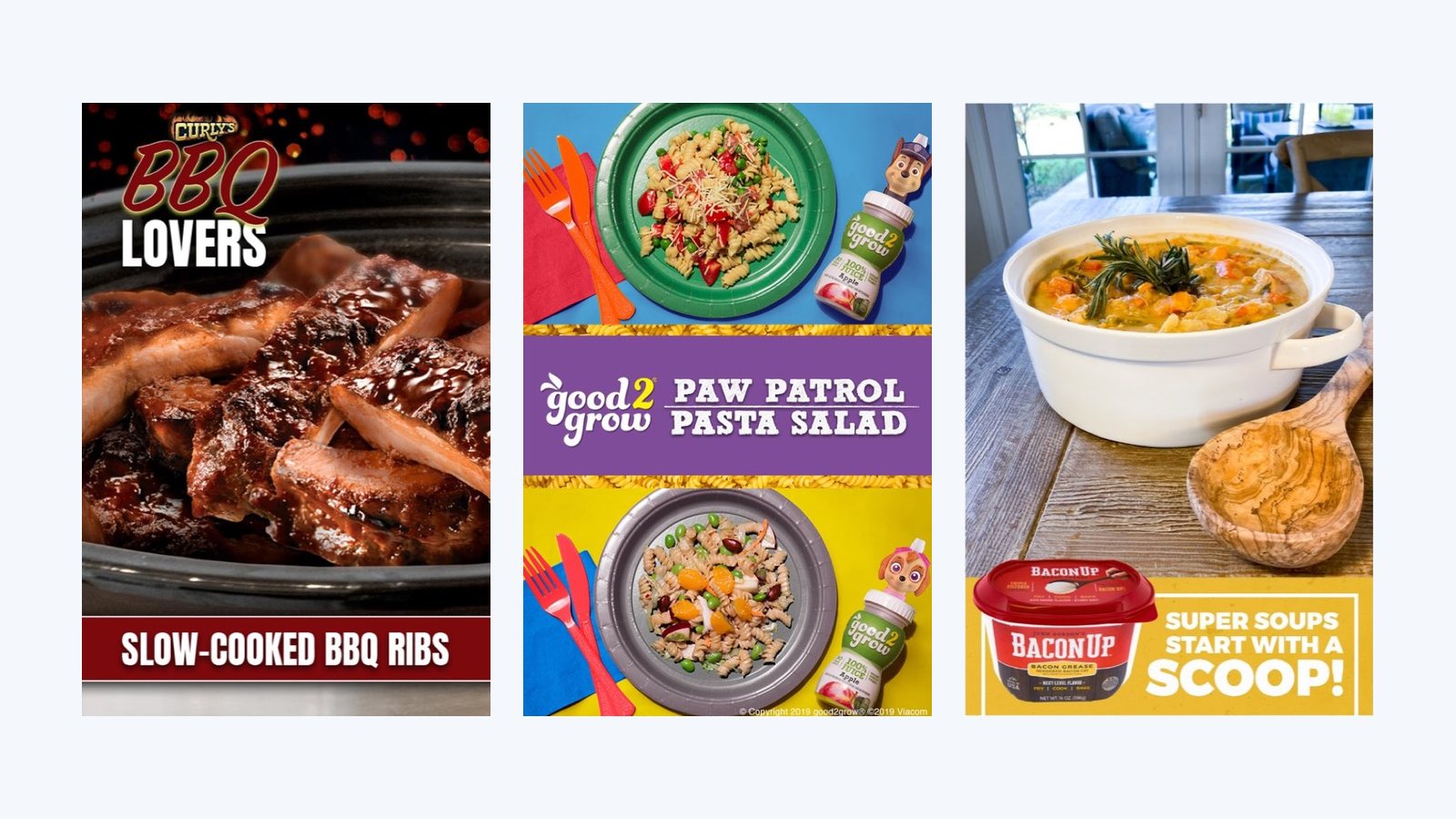
Consumer packaged goods fit naturally into the way people use Pinterest. Food and beverage products belong in recipes and entertaining ideas, personal care products belong in routines, and household products belong in organizing and cleaning projects. When your pin shows the product in use as part of the idea someone is searching for, it does not feel like an ad, and it gives people a reason to click through to learn more or buy.
What results can a CPG brand expect from Pinterest?
For a CPG product launch, our Pinterest program delivered 5MM impressions and 1.8MM video views at a $6 CPM and a $0.01 cost per video view. Those are efficient numbers for building awareness of a new product. The more lasting result was what happened afterward: Pinterest became the client's top organic traffic driver, because the launch content kept being found, saved and clicked long after the paid push.
In our experience, that is the real advantage of pairing paid and organic on Pinterest. Paid promotion gets new pins seen quickly, and the saves and engagement it generates help the organic pins keep working.
How do you optimize pins for Pinterest search?
I would recommend approaching Pinterest the same way you would approach search engine optimization for your website. Start with the words your customers actually use, then build every pin and board around them.
- Research keywords by typing your product category into Pinterest search and noting the suggested searches that appear.
- Write clear pin titles and descriptions that use those keywords naturally, describing the idea and the product.
- Create boards named for the searches your customers make, not for your internal product lines.
- Use vertical images and short videos that show the product in use, with legible text overlays.
- Link every pin to the most relevant page on your site, such as a recipe, product page or how-to article.
- Publish fresh pins consistently rather than all at once, and create new pin designs for your best pages.
- Claim your website and set up a Pinterest business account so you can see analytics and use shopping features.
How should CPG brands measure Pinterest traffic?
Pinterest analytics will show impressions, saves and outbound clicks, but I would always confirm the business impact in your own web analytics. In GA4, look at sessions, engaged sessions and conversions from Pinterest, and compare them over several months rather than week to week, because organic Pinterest traffic tends to build gradually as pins accumulate. Seasonal content also needs to be published well ahead of the season, since people start planning holidays and events early.
What mistakes should CPG brands avoid on Pinterest?
The most common mistake we see is treating Pinterest like Instagram, posting the same square lifestyle images with hashtags and short captions and then wondering why nothing happens. Pinterest rewards descriptive keywords, useful ideas and consistent publishing. The second mistake is giving up too early, since the compounding effect of organic pins takes time to show up in traffic.
How Grimm can help
We build Pinterest programs for consumer brands that combine keyword research, pin design, board strategy and paid promotion, and we measure the results in your own analytics. If you would like to explore how Pinterest could become a traffic driver for your brand, we would be happy to talk.
Common questions
Q. Is Pinterest a search engine or a social network?
Pinterest behaves more like a visual search engine. People search it with keywords to plan purchases and projects, and pins link back to websites, so keyword-rich pins can keep sending traffic long after they are published.
Q. Can Pinterest drive organic traffic for a CPG brand?
Yes. For a CPG product launch, our Pinterest program delivered 5MM impressions and 1.8MM video views at a $6 CPM and $0.01 CPV, and Pinterest became the client's top organic traffic driver.
Let's grow something together.
Tell us about your brand and your goals. You'll hear back from a senior member of our team, usually within a day.
Start a conversation ↗